## Market Snapshot
WTI Crude Oil Prices in May 2026 are currently priced to reflect increased geopolitical tensions, with the market suggesting potential price increases. The Strait of Hormuz Traffic market indicates a decrease in traffic, with current pricing reflecting significant disruptions.
## Key Takeaways
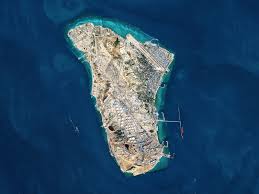
– Market activity suggests that Iranian lawmakers’ proposal is consistent with increased geopolitical tensions, potentially impacting WTI Crude Oil prices. – The proposal to bar Israeli vessels and impose conditions on US allies suggests increased restrictions in the Strait of Hormuz, supportive of decreased traffic. – The Kharg Island Control Changes market remains unaffected by the recent proposal, indicating no new developments regarding control shifts.
## Article Body
Iranian lawmakers have proposed a plan to permanently bar Israeli vessels from the Strait of Hormuz, with US and allied ships allowed passage only after paying war reparations. This move is part of a broader Iranian strategy to assert control over the critical waterway, amidst ongoing geopolitical tensions following the 2026 US-Israel-Iran conflict. The Strait of Hormuz is a vital maritime corridor, responsible for the transit of approximately 21% of global petroleum liquids. The proposal follows a history of Iranian naval blockades and regulated transit fees during military operations, reflecting sustained asymmetric maritime denial efforts against US and Israeli interests.
## Market Interpretation
The market response appears consistent with a scenario where geopolitical tensions around the Strait of Hormuz escalate, with a high impact on WTI Crude Oil prices. The proposal’s implications for restricted traffic in the Strait of Hormuz suggest a significant decrease in normal maritime activities. The market for Strait of Hormuz traffic reflects a high impact scenario, as participants anticipate substantial disruptions.
## What to Watch
Observers should monitor the reactions of key stakeholders such as the US government, the Iranian leadership, and international shipping companies. Any developments in US-Iran negotiations or actions by the US military could further influence market perceptions. Additionally, statements from the International Monetary Fund’s Portwatch and insurance companies regarding transit and coverage conditions will be critical in assessing the situation’s evolution.
Get prediction market intelligence as a structured API feed. Early access waitlist.

