Key Takeaways
- Ghana passed the VASP Act of 2025 to regulate its fast-growing virtual asset and cryptocurrency sector.
- Over 3 million Ghanaians now use crypto, boosting fintech but posing fraud risks to the financial system.
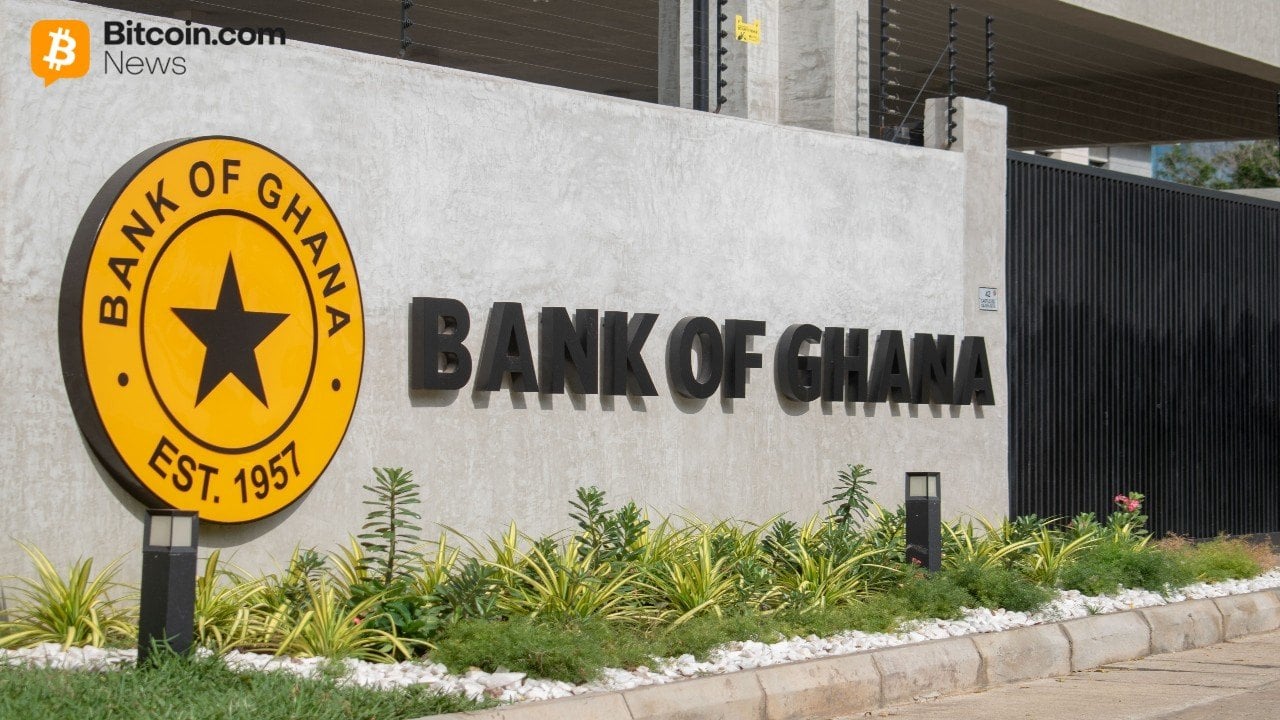
- The Securities and Exchange Commission and the Bank of Ghana are currently developing licensing rules.
Rising Crypto Adoption and Systemic Risks
Ghana has rolled out a legal framework to regulate virtual assets as cryptocurrency adoption accelerates across the economy, according to the country’s 2025 Financial Stability Review.
The development is a direct consequence of the passage of the Virtual Asset Service Providers Act of 2025, a legal framework establishing licensing protocols and supervisory mandates for all digital asset stakeholders. According to regulatory bodies, the law serves a dual purpose: enhancing the state’s oversight capabilities over a volatile, fast-growing market, and ensuring Ghana’s alignment with global financial intelligence and anti-money laundering standards.
The review, issued under the Financial Stability Council, said more than 3 million Ghanaians now use cryptocurrencies, driven by demand for alternative investments, cross-border payments, and digital financial services.
“The rapid expansion in the use of cryptocurrencies presents both opportunities and risks, including potential challenges for anti-money laundering and counter-terrorism financing compliance,” the report said.
The review warned that rising crypto activity could expose the financial system to fraud, illicit financial flows, and exchange rate pressures if left unregulated.
To implement the new law, the Securities and Exchange Commission and the Bank of Ghana are developing licensing rules, governance standards, and risk management requirements for virtual asset service providers. The framework will introduce prudential and supervisory measures to protect investors and support market stability.
The report said stakeholder consultations and capacity-building programs are underway to strengthen regulatory coordination as the sector expands.
Ghana’s regulatory push comes amid continued growth in the country’s fintech industry, supported by increased digitalization and innovation in payments and financial services. But the review also flagged concerns about the rise of unregulated digital lending platforms, noting that the Bank of Ghana has issued directives to rein in illegal lending apps operating outside the formal framework.
The review said digital finance innovation could advance financial inclusion and economic growth, but stressed the need for ongoing regulatory vigilance to contain emerging risks.

